
Institute Output

Expression Evaluation and Fundamental Physics
Stephen Wolfram
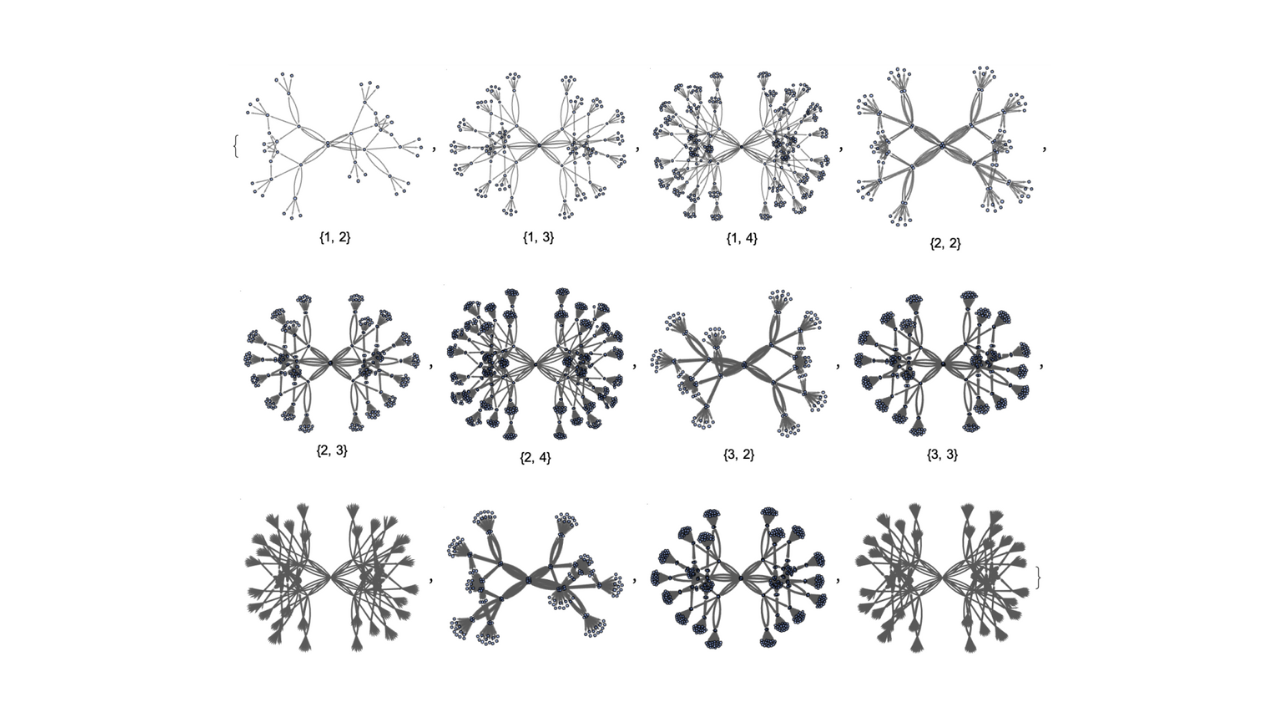
It is shown that way the Wolfram Language rewrites and evaluates expressions mirrors the universe’s own evolution: both proceed through discrete events linked by causal relationships, form “spacetime-like” structures and branch into multiway histories analogous to quantum superpositions.
Ruliology: Linking Computation, Observers and Physical Law
Dean Rickles, Hatem Elshatlawy, Xerxes D. Arsiwalla
Physical laws arise from the sampling of the Ruliad by observers (including us). This naturally leads to several conceptual issues, such as what kind of object is the Ruliad? What is the nature of the observers carrying out the sampling, and how do they relate to the Ruliad itself? What is the precise nature of the sampling? This paper provides a philosophical examination of these questions, and other related foundational issues, including the identification of a limitation that must face any attempt to describe or model reality in such a way that the modeller-observers are included.
Computational General Relativity in the Wolfram Language using Gravitas I: Symbolic and Analytic Computation
Jonathan Gorard
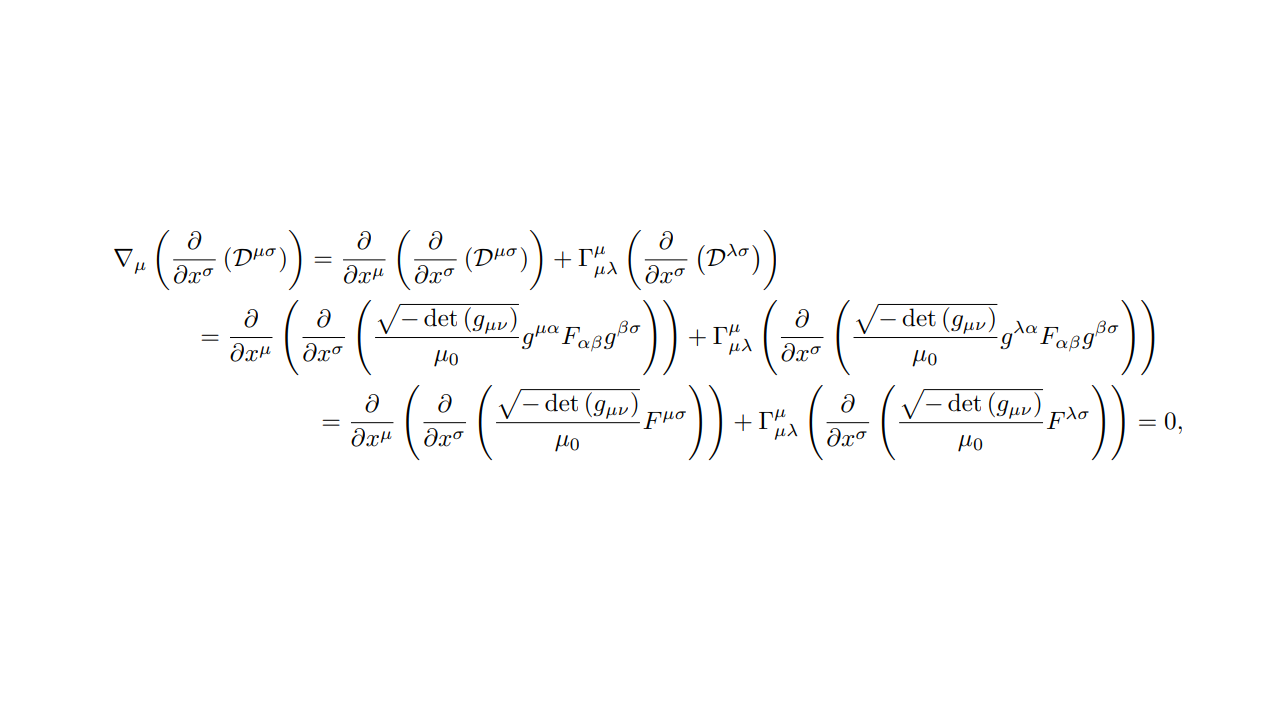
Gravitas introduces a robust computational framework for general relativity in the Wolfram Language, featuring seamless integration of symbolic and numerical tools to handle complex spacetime geometries and solve the Einstein field equations.
Biunit pairs in semiheaps and associated semigroups
Bernard Rybołowicz, Carlos Zapata-Carratalá
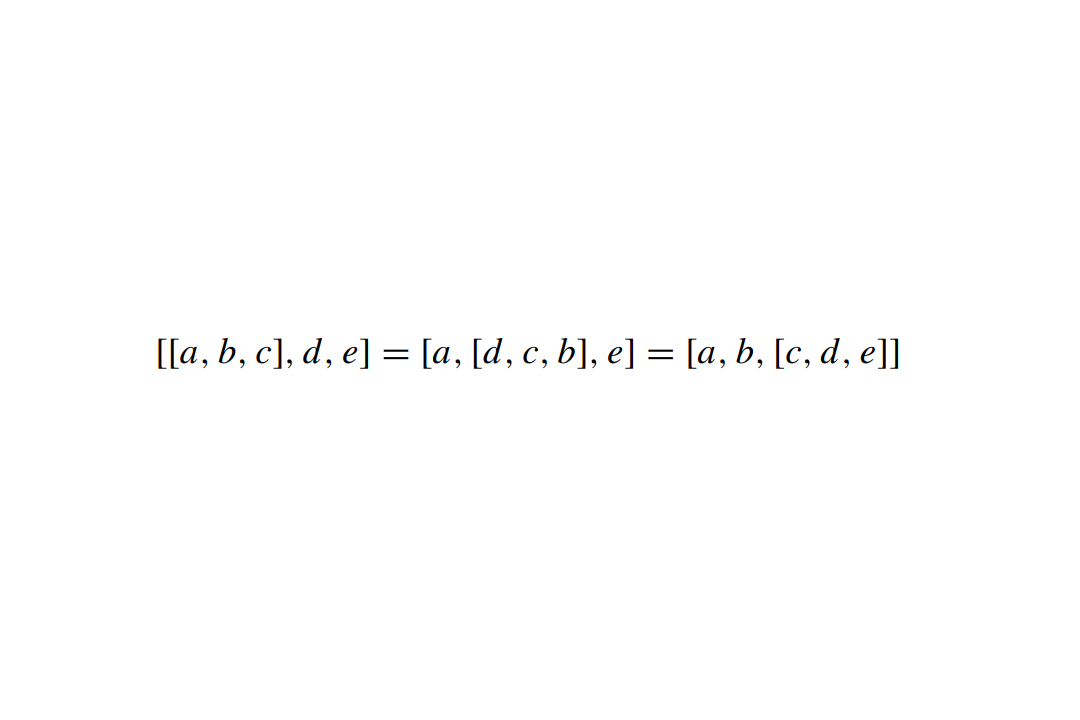
This research introduces biunit pairs in semiheaps, and establishes a direct correspondence between monoids with specific switches and semiheaps, leading to the novel concept of diheaps.
Generative AI Space and the Mental Imagery of Alien Minds
Stephen Wolfram
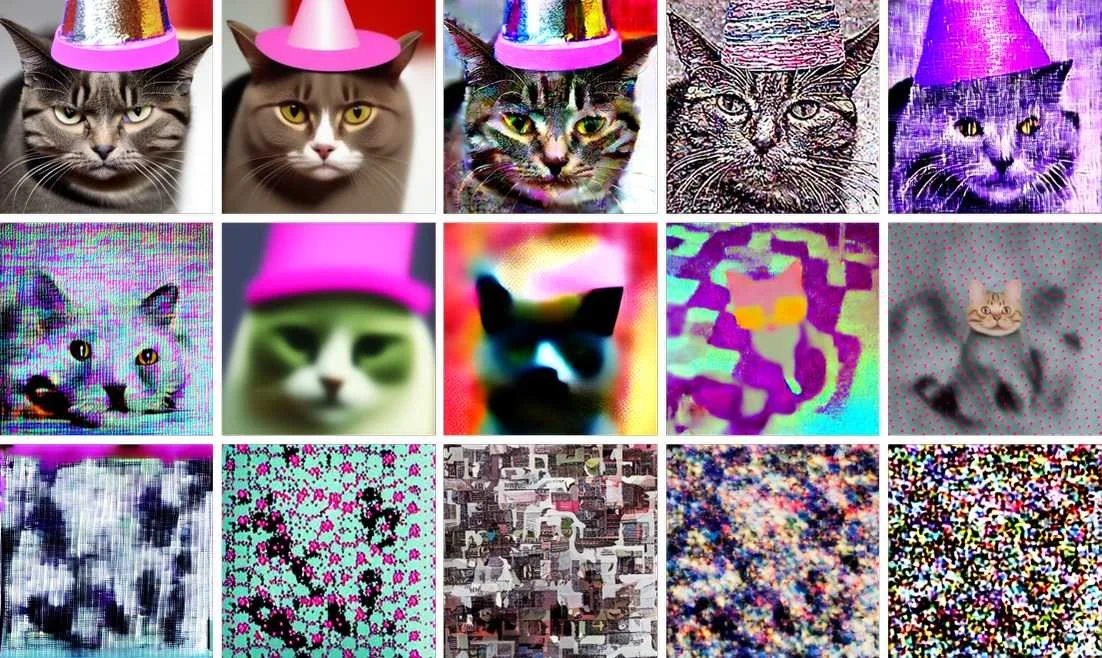
How do alien minds perceive the world? It’s an old and oft-debated question in philosophy. And it now turns out to also be a question that rises to prominence in connection with the concept of the ruliad that’s emerged from our Wolfram Physics Project.

Hypermatrix Algebra and Irreducible Arity in Higher-Order Systems: Concepts and Perspectives
Carlos Zapata-Carratalá, Maximilian Schich, Taliesin Beynon, Xerxes D. Arsiwalla
Hypergraph and hypermatrix methods are applied to detect irreducible interactions in higher-order systems.
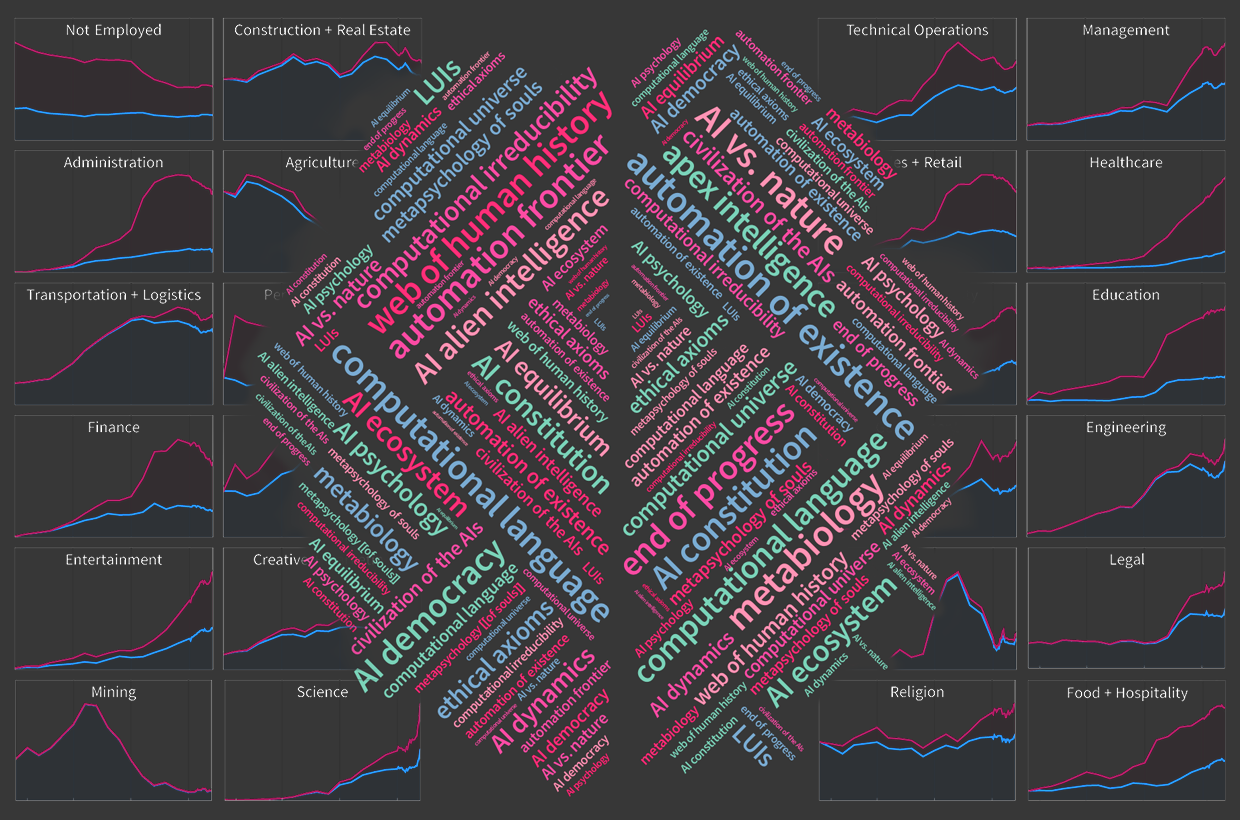
Will AIs Take All Our Jobs and End Human History—or Not? Well, It’s Complicated…
Stephen Wolfram
Untangling this issue will be at the heart of questions about how we fit into the AI future. And in what follows we’ll see over and over again that what might at first essentially seem like practical matters of technology quickly get enmeshed with deep questions of science and philosophy.

Non-Vacuum Solutions, Gravitational Collapse and Discrete Singularity Theorems in Wolfram Model Systems
Jonathan Gorard
This study extends the Raychaudhuri equation to discrete spacetimes, exploring conditions under which they might exhibit geodesic incompleteness, and applies numerical simulations to predict black hole formations.

What Is ChatGPT Doing … and Why Does It Work?
Stephen Wolfram
That ChatGPT can automatically generate something that reads even superficially like human-written text is remarkable, and unexpected. But how does it do it? And why does it work? My purpose here is to give a rough outline of what’s going on inside ChatGPT—and then to explore why it is that it can do so well in producing what we might consider to be meaningful text.

Computational Foundations for the Second Law of Thermodynamics
Stephen Wolfram
Entropy increases. Mechanical work irreversibly turns into heat. The Second Law of thermodynamics is considered one of the great general principles of physical science. But 150 years after it was first introduced, there’s still something deeply mysterious about the Second Law. It almost seems like it’s going to be “provably true”. But one never quite gets there; it always seems to need something extra. Sometimes textbooks will gloss over everything; sometimes they’ll give some kind of “common-sense-but-outside-of-physics argument”. But the mystery of the Second Law has never gone away.
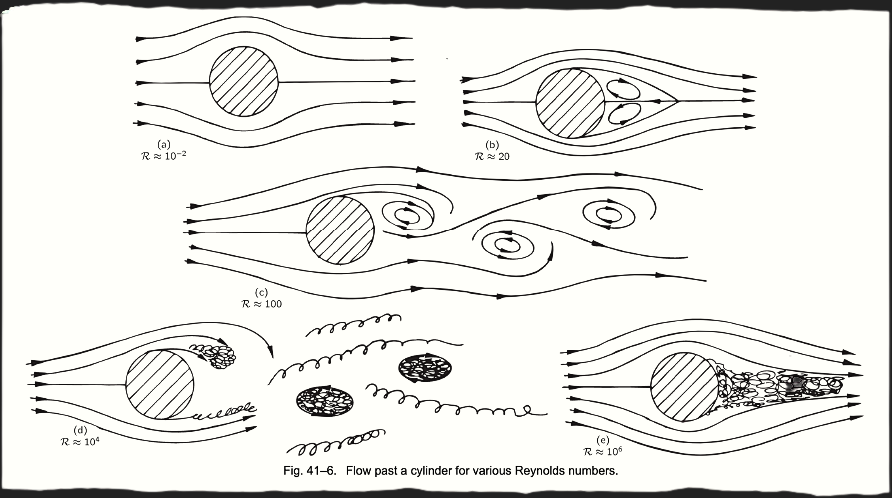
A 50-Year Quest: My Personal Journey with the Second Law of Thermodynamics
Stephen Wolfram
The wonder and magic of the Second Law is still there. But now I’m able to see it in a much broader context, and to realize that it’s not just a law about thermodynamics and heat, but instead a window into a very general computational phenomenon.
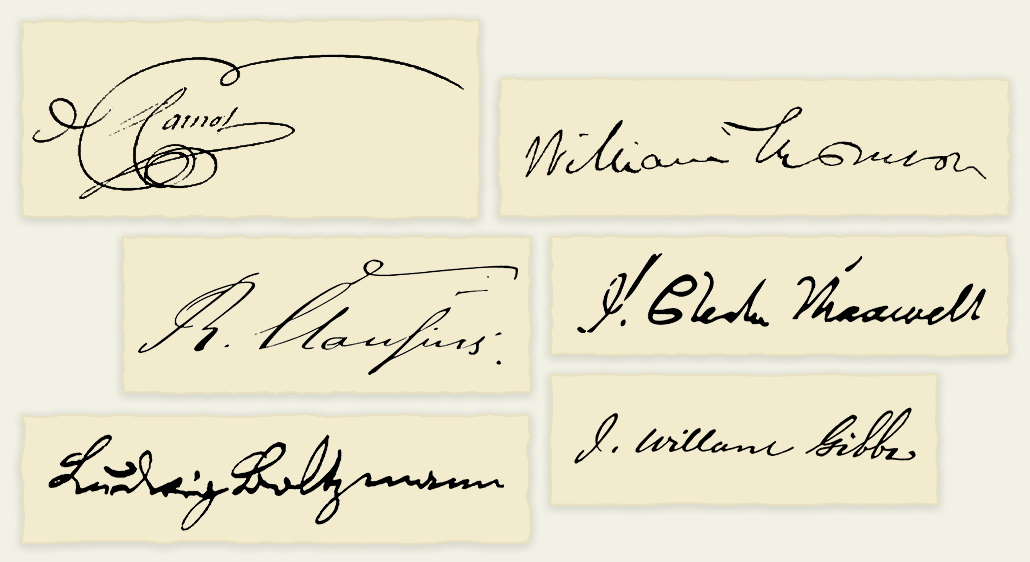
How Did We Get Here? The Tangled History of the Second Law of Thermodynamics
Stephen Wolfram
As I’ve explained elsewhere, I think I now finally understand the Second Law of thermodynamics. But it’s a new understanding, and to get to it I’ve had to overcome a certain amount of conventional wisdom about the Second Law that I at least have long taken for granted. And to check myself I’ve been keen to know just where this conventional wisdom came from, how it’s been validated, and what might have made it go astray.
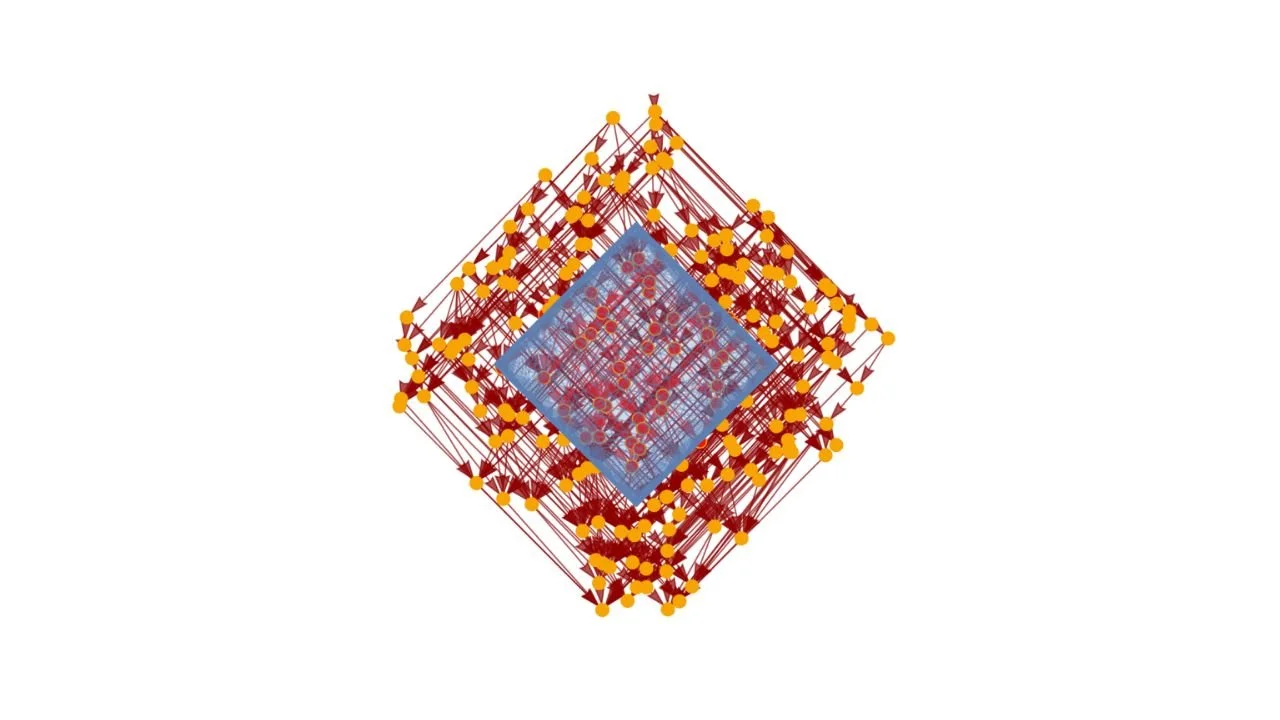
Axiomatic Quantum Field Theory in Discrete Spacetime via Multiway Causal Structure: The Case of Entanglement Entropies
Jonathan Gorard, Julia Dannemann-Freitag
This research examines a covariant approach to entanglement entropy in discrete quantum gravity, comparing causal set and Wolfram model frameworks to reveal a monotonic relationship.
A Cosine Rule-Based Discrete Sectional Curvature for Graphs
Xerxes D. Arsiwalla, J.F. Du Plessis
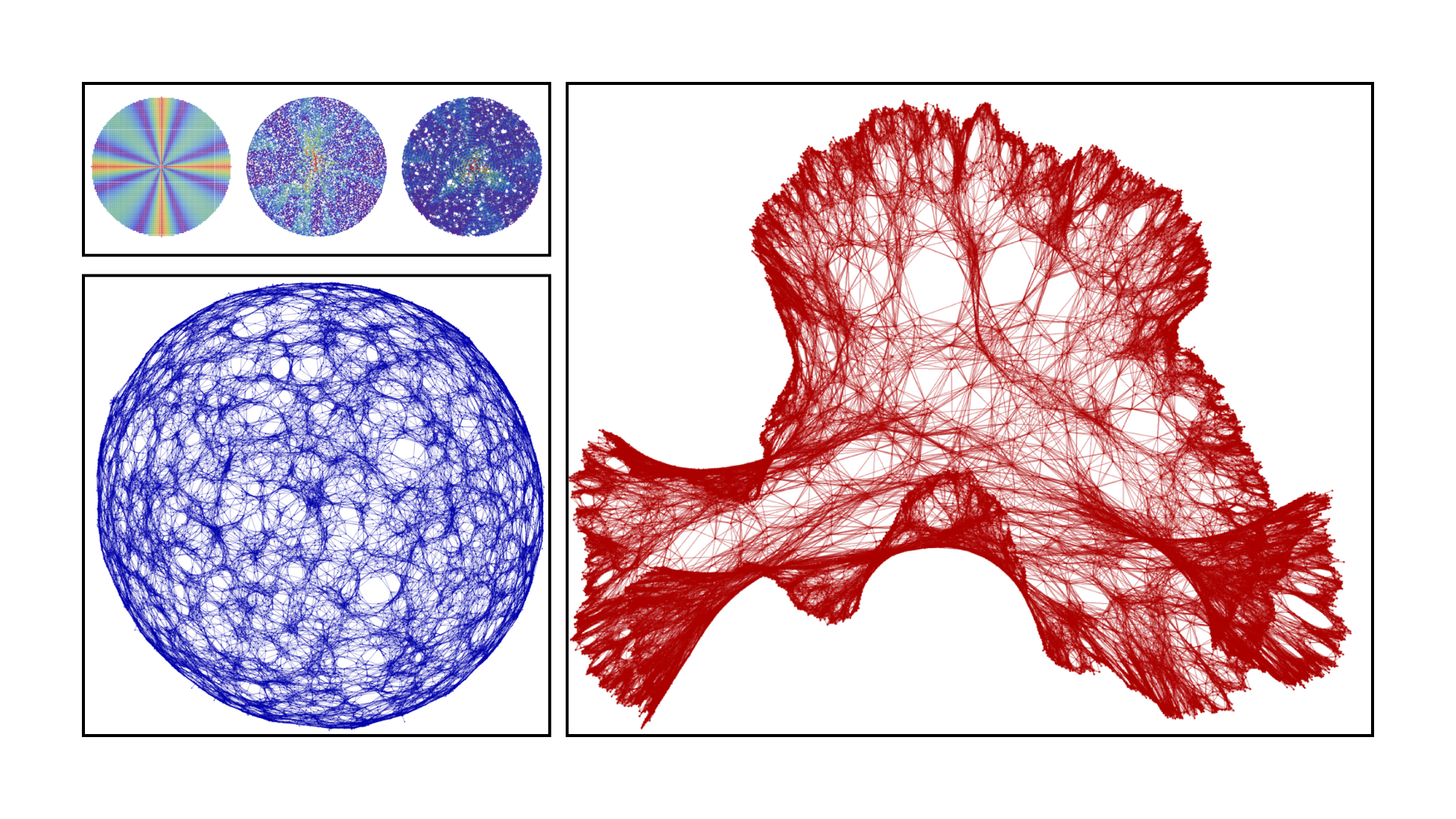
How does one generalize differential geometric constructs such as curvature of a manifold to the discrete world of graphs and other combinatorial structures? This problem carries significant importance for analyzing models of discrete spacetime in quantum gravity; inferring network geometry in network science; and manifold learning in data science. The key contribution of this paper is to introduce and validate a new estimator of discrete sectional curvature for random graphs with low metric-distortion.
A Functorial Perspective on (Multi)computational Irreducibility
Jonathan Gorard
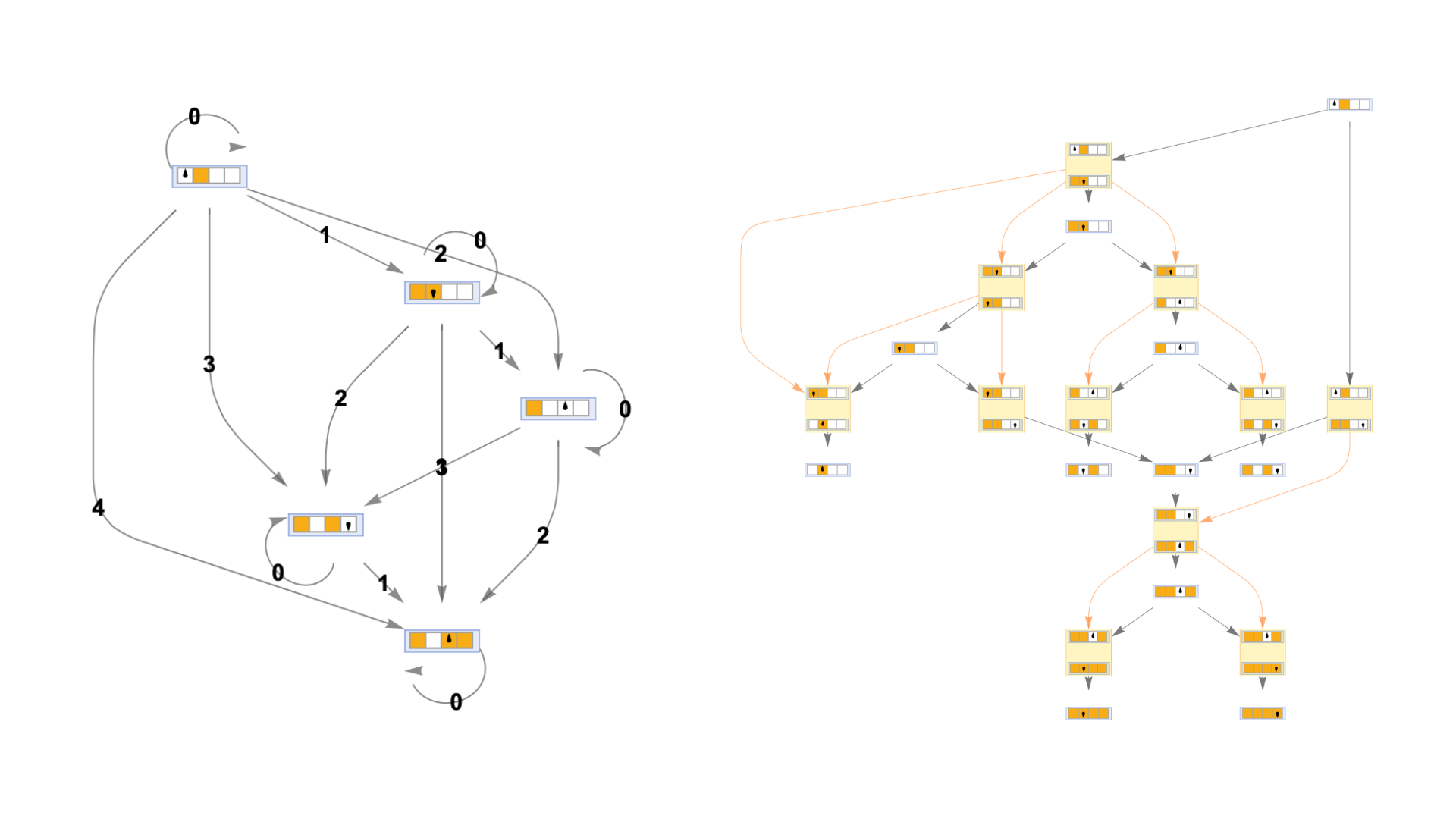
This article aims to provide a novel formalization of the concept of computational irreducibility in terms of the exactness of functorial correspondence between a category of data structures and elementary computations and a corresponding category of (1-dimensional) cobordisms.

Alien Intelligence and the Concept of Technology
Stephen Wolfram
“We’re going to launch lots of tiny spacecraft into interstellar space, have them discover alien intelligence, then bring back its technology to advance human technology by a million years”.
But as I thought about it, I realized that beyond the “absurdly extreme moonshot” character of this pitch, there’s some science that I’ve done that makes it clear that it’s also fundamentally philosophically confused. The nature of the confusion is interesting, however, and untangling it will give us an opportunity to illuminate some deep features of both intelligence and technology—and in the end suggest a way to think about the long-term trajectory of the very concept of technology and its relation to our universe.

Games and Puzzles as Multicomputational Systems
Stephen Wolfram
Multicomputation is one of the core ideas of the Wolfram Physics Project—and in particular is at the heart of our emerging understanding of quantum mechanics. But how can one get an intuition for what is initially the rather abstract idea of multicomputation? A good approach, I believe, is to see it in action in familiar systems and situations. And I explore here what seems like a particularly good example: games and puzzles.
Heaps of Fish: arrays, generalized associativity and heapoids
Carlos Zapata-Carratala, Xerxes D. Arsiwalla, Taliesin Beynon
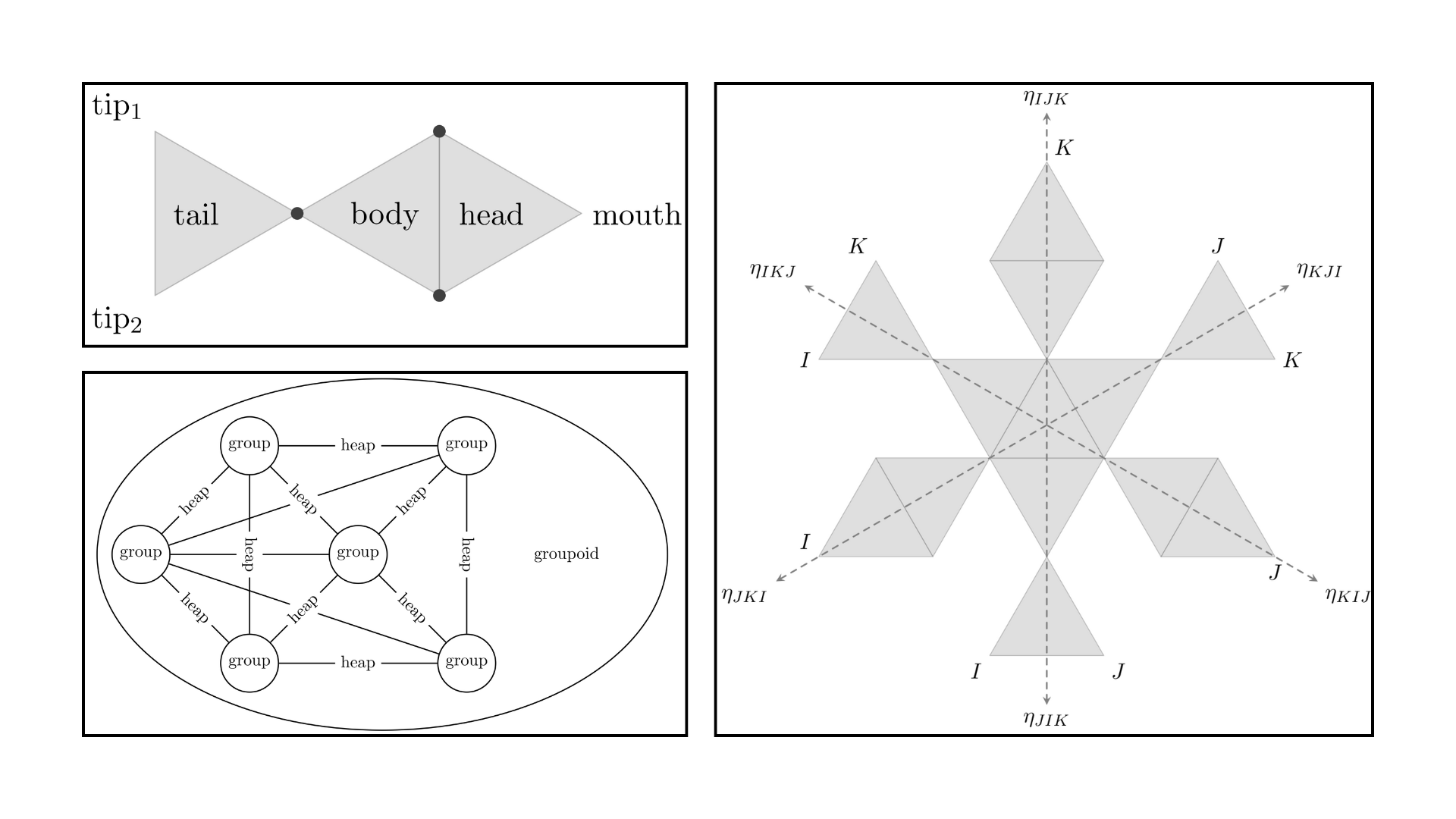
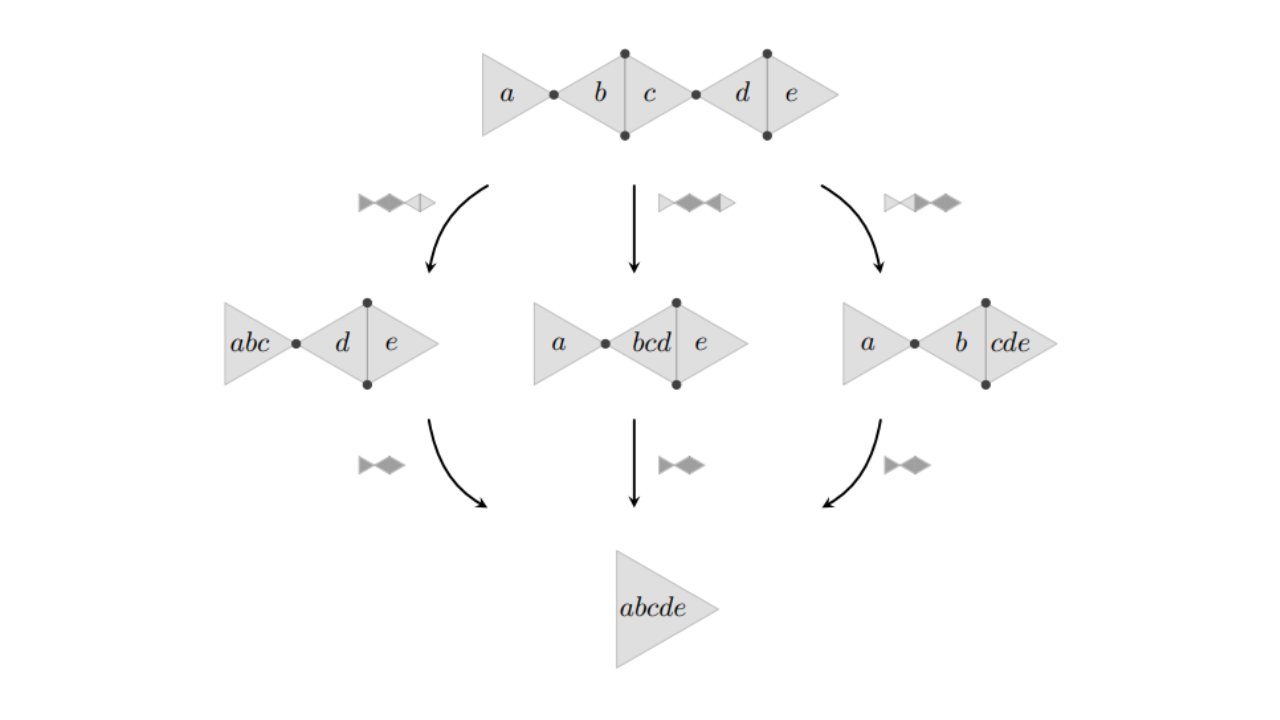
In this paper we investigate a ternary generalization of associativity by defining a diagrammatic calculus of hypergraphs that extends the usual notions of tensor networks, categories and relational algebras. In doing so we rediscover the ternary structures known as heaps and are able to give a more comprehensive treatment of their mergence in the context of dagger categories and their generalizations.
Diagrammatic calculus and generalized associativity for higher-arity tensor operations
Carlos Zapata-Carratalá, Xerxes D. Arsiwalla, Taliesin Beynon

We’ve Got a Science Opportunity Overload: It’s Time to Launch the Wolfram Institute!
Stephen Wolfram
We’re in the midst of a major “science opportunity overload”. And to be good stewards of the ideas and their potential we’ve got to scale things up. I’ve had lots of experience over decades in making big projects happen. And now it’s time to take that experience and define a new structure to move forward the amazing science opportunity we find ourselves with. And I think that leaves us no choice: we’ve got to launch the Wolfram Institute, and now!